Last week, senior European and UK (re)insurance professionals published an anonymous memo warning that industry models show climate risk growing “at a dangerous rate” and critiquing the sector’s strategy of exiting high-risk areas. The memo garnered headlines in mainstream and insurance trade press and prompted a firestorm of conversation among professionals from science, investment, and policy.
The authors highlight a “collective cultural denial” about the consequences of the industry’s strategy, noting that risk levels are not properly internalized by governments. Backed by a separate essay from a risk modeler, they reveal that some actuaries are even pressured to deflate loss projections to protect client relationships.
This approach results in “an increase in uninsured losses for which someone else will have to pay the price”—namely coastal communities, households, and farmers. They emphasize that damages will depend heavily on emissions trajectories, even before accounting for potential climate tipping points.
Written off and not underwritten
While pricing families out of high-risk regions, (re)insurers continue writing policies that enable new oil fields, pipeline expansions, and LNG terminals. The industry is writing off vulnerable populations while continuing to profit from underwriting the root cause of climate damage.
Those bearing the cost are not abstractions. European farmers losing cover and the over two million US homeowners issued non-renewals in 2024 are carrying this burden, leaving taxpayers as the de facto insurer of last resort.
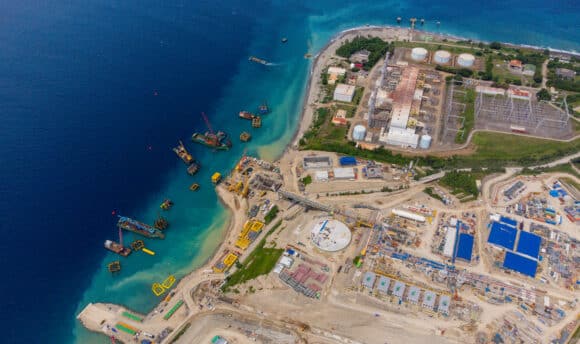
In places like the Verde Island Passage in the Philippines and the US Gulf South, communities face a double burden: resisting new fossil fuel projects enabled by insurance while absorbing the worsening impacts of severe storms and sea-level rise.
Communities challenging fossil fuel expansion and the communities facing climate damages are part of the same struggle to end the impunity of fossil fuel companies and shift the costs from people to polluters.
The UN’s latest Emissions Gap Report, The Point of Return, shows that staying strictly below 1.5°C is no longer feasible, turning the task now to reduce the extent and duration of overshoot. Navigating this uncharted territory requires using every available lever to curb emissions and prevent further escalation.
(Re)insurers have agency
The insider memo is a bold step, acknowledging that industry choices directly shape climate outcomes. (Re)insurers can share long-term risk views with clients and governments, reward resilience in pricing, align investments to reduce risk, and press governments for faster emissions cuts.
Acting decisively on the dangerous levels of risk would also necessitate an end to underwriting and profiting from the root cause of their build up. Without insurance, new coal, oil, pipeline, and LNG projects cannot proceed. While recent exclusion policies are welcome, incremental progress falls short of the scale of the crisis.
An industry committed to risk reduction must immediately cease insuring new fossil fuel projects and their developers, while establishing science-aligned target dates to phase out existing portfolios.
As the authors observe: “Even if we reject any broader moral responsibility, we have a self-interest in not just pricing and timing risk but in helping to reduce it.”
Who will pay for climate damages?
Insurers must decide whether to continue timing their exit from escalating risks or actively help mitigate them.
Our governments, however, cannot afford to wait. The financial burden from climate damages must shift from policyholders and taxpayers onto the entities causing the crisis.
Policymakers and regulators need to treat this industry alarm as a call for a comprehensive policy response that prioritizes rapid decarbonization, protects vulnerable communities, and ensures polluters pay their fair share.