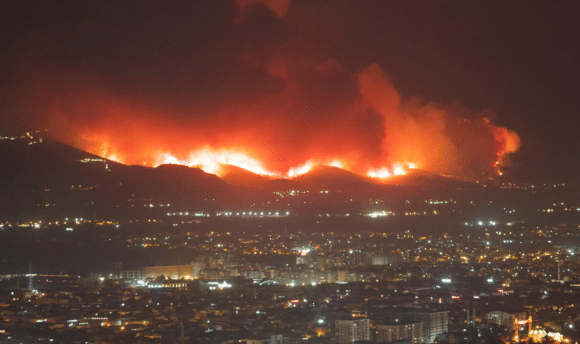

The escalating conflict in the Middle East has quickly become a humanitarian crisis in the immediate region and an economic/energy crisis in countries dependent on the supply of oil and gas that normally flows through the Strait of Hormuz. Thousands of people have died and been injured, millions have been displaced, and millions more around the world are directly affected by the effective closure of the strait.
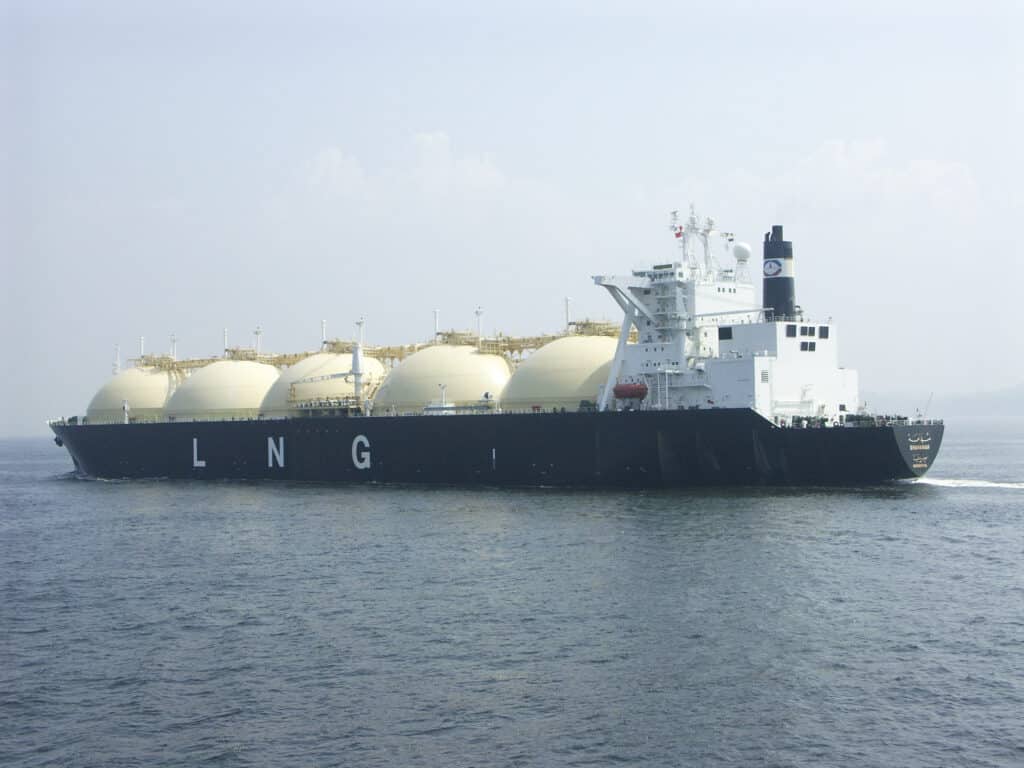
This conflict is just the latest and most acute example of the structural risks of an economy underpinned by fossil fuels, especially liquefied natural gas (LNG). LNG is particularly exposed because it relies on long, fragile maritime supply chains and a handful of strategic chokepoints, such as the Strait of Hormuz, through which about a quarter of crude oil and liquid petroleum products must pass. For re/insurers, this translates into correlated risks spanning marine, energy, property, and political violence lines, driving premium volatility, coverage withdrawals, and growing accumulation exposure. These shocks hit households and businesses worldwide through higher energy prices, supply shortages, and greater economic instability.
This moment is a flashing red light with sirens blaring, demanding that we pause, think, and act beyond solely short-term energy fixes to this crisis. We need to meet urgent needs and accelerate the transition to renewable energy systems that are less exposed to chokepoints, contribute to geopolitical stability and energy independence, and also address climate change.
Re/insurers must consider LNG’s downsides
While select re/insurers might see increased premiums in the short term, the entire sector should be taking a wide-angle view of the downsides of LNG:
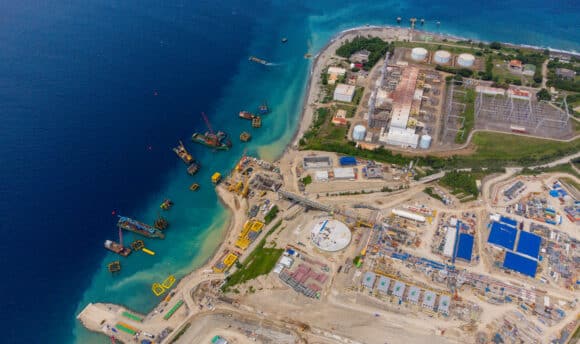
Risk concentration / portfolio accumulation risk – LNG’s physical assets are concentrated, whether at liquefaction and export sites, gasification and import sites, or LNG carriers congregating at ports worldwide. This concentration turns regional conflicts into global disruptions and energy infrastructure can be damaged, sometimes catastrophically, increasing the potential for aggregated claims if the situation drags on. Aside from conflict, natural catastrophes can prompt concentrated business interruption and property damage claims. Climate change is making natural disasters more frequent and more severe, depending on location and type of peril. These dynamics increase the likelihood of large, correlated losses across multiple lines of business and raise the question: Is LNG becoming uninsurable?
Unpredictability – Conflict aside, LNG’s forecast is rife with unpredictability; the global LNG outlook just a month before the war began was a supply glut that would ‘stress‘ the market. Notably, demand growth projections in Asia have been consistently disappointed, with high (65%) failure rates for proposed new LNG import infrastructure in the past five years. In Europe, one forecast is that by 2030, regasification capacity will be more than three times LNG demand, though the import infrastructure buildout has slowed in recent years as consumption started to fall and demand remains uncertain.
The false perception of LNG as a ‘bridge’ or ‘transition’ fuel – The pervasive belief that LNG is a so-called ‘transition fuel’ masks some realities that have implications for re/insurers’ investment portfolios and for the climate. On a good day, LNG infrastructure construction is capital-intensive with long timelines, and is exposed to business disruption and price volatility. The introduction of conflict increases energy prices, reduces infrastructure security, and creates unstable macroeconomic conditions. These same factors affect insurers’ asset portfolios, reducing the benefits of diversification when they are most needed. As for the climate, a recent study found that LNG’s carbon footprint is up to 33% larger than coal’s — hardly the bridge to a clean energy future.
Renewable energy can provide stability
Renewable energy systems including solar, wind, battery storage, among others, are more decentralized and less reliant on global chokepoints. Local, distributed renewables provide community-level power that is resilient to regional shocks and can be deployed more quickly and at a lower cost.
Pivoting from fossil fuels to clean energy presents an opportunity to reduce portfolio risk. Re/insurers can mitigate exposure to losses and volatility driven by fluctuating markets, geopolitical conflict, and climate-driven natural catastrophes by shifting underwriting and investments away from LNG infrastructure. Renewable projects usually involve localized construction and operation risks which are usually more predictable than the complex, correlated risks of global LNG supply chains. Renewable energy assets, such as solar and wind, can typically be deployed on shorter timelines. They offer more stable and locally anchored risk profiles that align with communities’ energy security needs and meet investors’ need for resilience and diversification.
Re/insurers are uniquely positioned to enable this transition. They can influence which energy projects proceed and at what cost through underwriting decisions, risk pricing, and capital allocation. Redirecting capacity toward renewables can lower financing costs for clean energy while signaling to markets that fossil fuel infrastructure, especially LNG, carries escalating risk. So far Generali and Munich Re have taken initial steps to limit exposure to LNG, but on the whole, the industry has a long way to go.
For re/insurers, the choice is increasingly clear: continue enabling an energy system vulnerable to disruption and loss, or actively support a transition to energy sources that offer greater stability, predictability, long-term value… oh, and a livable planet.